Siddhartha Social Development Center
SSDC Overview
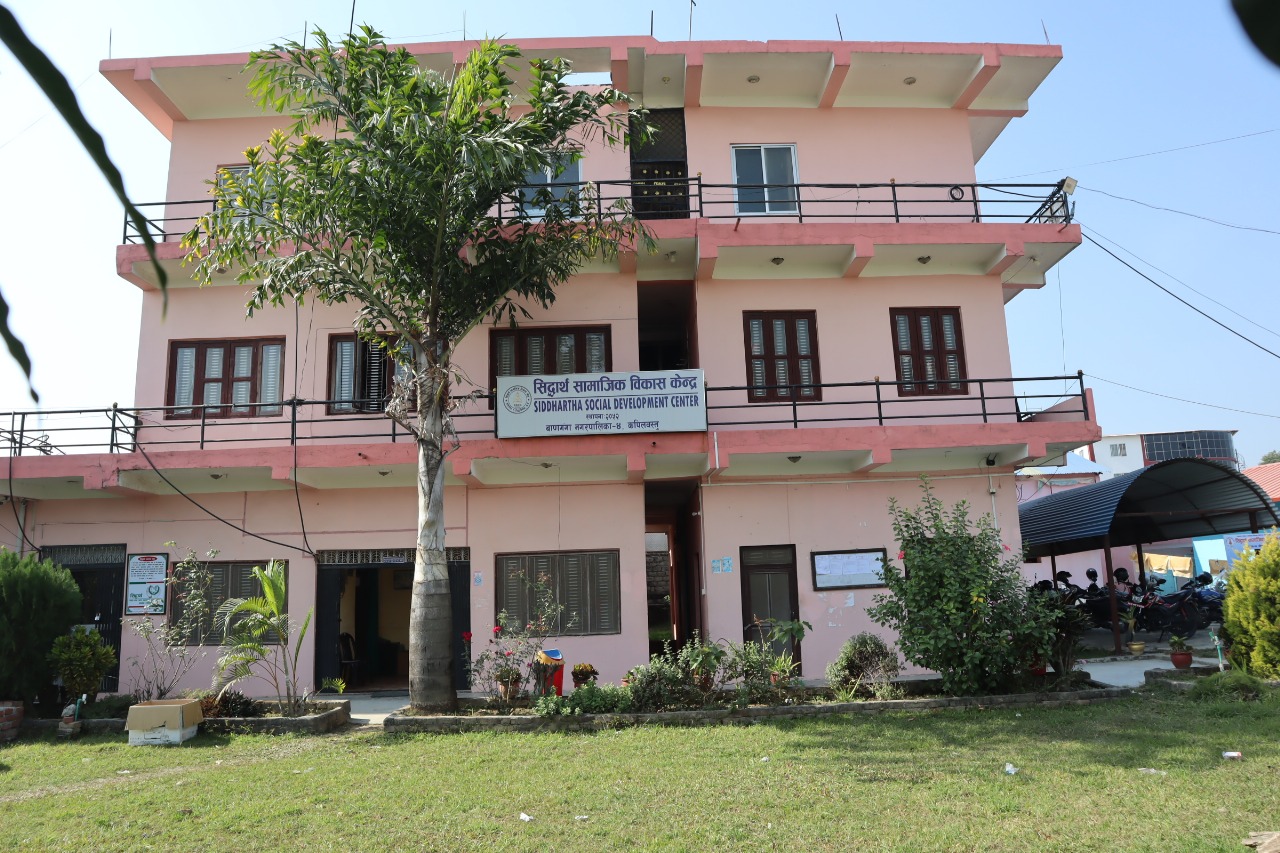
Siddhartha Social Development Center (SSDC-Kapilvastu) is a provincial, non-profit organization promoting inclusive and sustainable development across Lumbini Province, Nepal. Founded in 1995 by socially conscious youth and registered under the Organization Registration Act 2034, it is affiliated with the Social Welfare Council. Rooted in Kapilvastu, SSDC works to transform poverty and inequality through rights-based, participatory programs centered on child and women’s rights, livelihoods, peacebuilding, education, inclusion, and disaster resilience in partnership with communities and local governments.
Siddhartha Social Development Center (SSDC-Kapilvastu) is a provincial-level, non-profit, non-political, and non-religious organization dedicated to inclusive and sustainable community development across Lumbini Province, Nepal.
Established in 1995 by a group of motivated and socially conscious youth, SSDC was officially registered under the Organization Registration Act 2034 and affiliated with the Social Welfare Council (SWC) in 1996. Rooted in the historic land of Kapilvastu – the birthplace of Lord Buddha – the organization was founded with a deep commitment to transforming poverty, inequality, and social injustice into opportunities for peace, dignity, and progress.
Over the past two decades, SSDC has evolved into a dynamic development organization focusing on rights-based, participatory, and community-driven approaches. Its programs prioritize child and women’s rights, livelihood enhancement, peacebuilding, economic justice, education, social inclusion, and disaster resilience.
Today, SSDC continues to work closely with communities, local governments, and development partners to empower marginalized groups, promote social harmony, and build resilient, equitable societies in the Lumbini region and beyond.
Five-Year Strategic Plan (2026-2030)
This Five Year Strategy Plan of Siddhartha Social Development Centre (SSDC), based in Ward No. 4 of Banganga municipality, Lumbini Province, is developed through 6 daysof consultation workshop participated by SSDC Board of Directors,senior Staff, multiple stakeholders, and rights holders. Besides, a rigorous exercise was put into SWOT Analysis and the subsequent outcome helped pave future pathways for the organization. This 7thFive-Year Strategic Plan provides a new roadmap for SSDC’s vision, mission, priorities, and actions over the next five years. This Strategic Plantakes into accountNepal’s evolving political transition, social transformation, economic constraints, and development challenges, with specific focus on inclusive democracy, human rights, child rights, gender equality, climate action, and empowerment of women, youth, and marginalized communities.
The Strategic Plan is aligned with the Constitution of Nepal (2015) that reflects the State’s commitment to dignity, equality, inclusion, and social justice. It upholds fundamental rights including the right to live with dignity (Article 16), freedoms of expression, association, and assembly (Article 17), and the right to equality (Article 18) as the basis for inclusive and participatory development.
The Strategic Plan advances social justice and proportional representation in line with Articles 42, 84, and 176, emphasizing meaningful participation of women, Dalits, youth, children, and other marginalized groups in governance and decision-making processes. It supports inclusive local governance as envisaged under Articles 215–221, strengthening citizen engagement, accountability, and responsive local institutions.Consistent with constitutional guarantees, the Strategy promotes the rights of women (Article 38), children (Article 39), Dalits (Article 40), and the right to social security (Article 43) through targeted, inclusive, and rights-based interventions.
Guided by Article 51 on State Policies, the Strategic Plan contributes to Nepal’s national vision of inclusive governance, equitable development, and social justice, ensuring that no one is left behind.
The Strategic Plan is also aligned with the Sustainable Development Goals (SDGs), particularlySDG 5 (Gender Equality), SDG 10 (Reduced Inequalities), SDG 13 (Climate Action), andSDG 16 (Peace, Justice, and Strong Institutions). The Plan advances gender equality and social inclusion, strengthens accountable and inclusive institutions, promotes peaceful and participatory governance, and integrates climate-responsive approaches to address vulnerability and resilience. Through this alignment, the Strategy contributes to inclusive, equitable, and sustainable development outcomes in line with Nepal’s national commitments to the 2030 Agenda.
The Strategic Plan is also aligned with national policies and legal frameworks of Nepal on political and social inclusion, gender equality, human rights, access to justice, prevention of gender-based violence, climate change, child rights, and youth leadership development. It reinforces national priorities by promoting inclusive participation, rights-based approaches, and accountable institutions, while strengthening the capacities of women, children, youth, and marginalized communities to engage in social, political, and development processes. Through this alignment, the Strategy complements government efforts to advance equitable, resilient, and inclusive development across all levels of governance.
On the whole, the five-year Strategic Plan is meant to serve as a window on Nepal’s existing ground realities while, at the same time, charts out a way forward for SSDC as one of the leading CSOs in Nepal’s Lumbini Province.
Vision
A just, peaceful, inclusive, and prosperous Nepal where all people- especially women, youth, and marginalized groups-exercise their rights to claim and enjoy a dignified living.
Mission:
To strengthen inclusive governance, protect human rights, prevent GBV, promote peace and social cohesion, and enhance climate justice through community-led action, advocacy, and partnerships.
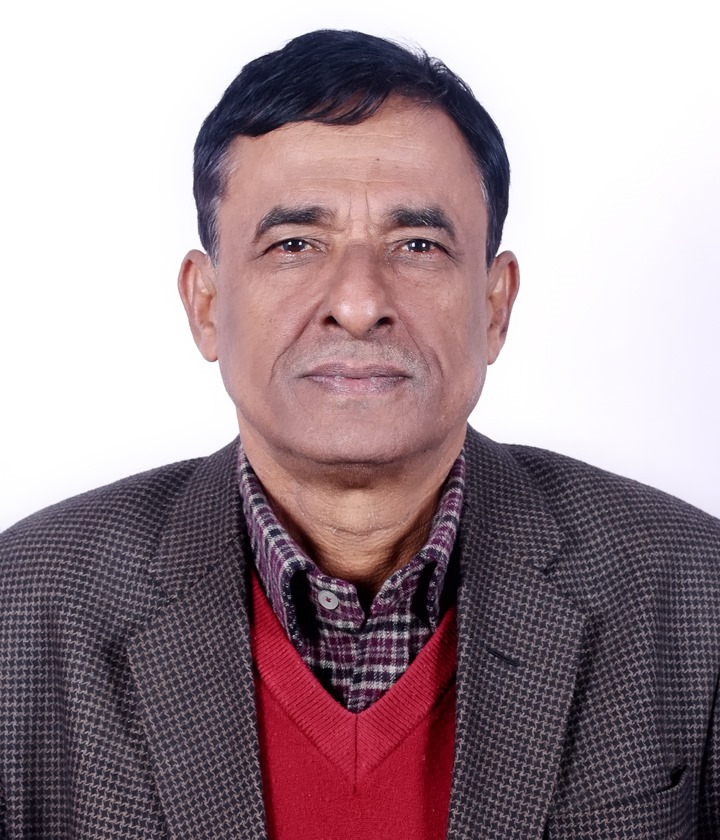
Message From Chairperson
On behalf of the Siddhartha Social Development Center (SSDC), Kapilvastu, I extend my heartfelt greetings to all our well-wishers, partners, stakeholders, and community members. It is with great pride that I share our journey of commitment and service dedicated to uplifting the lives of marginalized and vulnerable groups in our society.
Since our establishment, SSDC has remained steadfast in promoting education, health, sustainable livelihoods, good governance, and human rights. Guided by the principles of inclusiveness, equity, and compassion, we continue to implement programs that reflect the real needs of the communities we serve. Our focus on child rights, women’s empowerment, social justice, and community participation has helped us build trust and meaningful impact at the grassroots level.
We believe that sustainable development is possible only when local voices are heard, local capacities are strengthened, and every individual is given the opportunity to live with dignity.
Our achievements would not have been possible without the valuable support of our development partners, local governments, dedicated staff, and community volunteers. I express my sincere appreciation to each one of you for believing in our vision and standing with us throughout this journey.
As we move forward, we remain committed to expanding our initiatives, strengthening partnerships, and embracing innovative solutions to address emerging challenges. Together, we can create a more just, inclusive, and prosperous society.
Thank you.
Working Strategies
Education and Child Rights (SDG 4)
We are committed to ensuring inclusive and equitable quality education for all children. Our efforts focus on improving access to schooling, strengthening learning outcomes, protecting child rights, and creating safe learning environments. Through community engagement, capacity building, and advocacy, we work to empower children to realize their full potential and enjoy their fundamental rights.
Sustainable Livelihood (SDG 1, 2 and 8)
Our livelihood programs aim to reduce poverty, ensure food security, and promote decent work opportunities. We support vulnerable households through skill development, income-generation initiatives, climate-resilient agriculture, and entrepreneurship promotion. By enhancing economic resilience, we help communities achieve long-term stability and self-reliance.
Health and Sanitation (SDG 3 and 6)
We promote improved health and wellbeing through awareness, preventive health measures, and access to clean water and sanitation. Our interventions include WASH initiatives, menstrual hygiene management, community health awareness, and improved sanitation infrastructure. We work with local governments and communities to foster healthier, safer living conditions for all.
Good Governance and Human Rights Promotion (SDG 10, 16 and 17)
Strengthening accountable, transparent, and inclusive governance is central to our mission. We collaborate with government bodies, civil society, and citizens to promote human rights, reduce inequalities, and enhance participation in local decision-making processes. Our programs support capacity building, social accountability tools, and rights-based advocacy to ensure responsive and effective governance
Social Justice/Protection and Human Rights (SDG 5, 10, 16 and 17)
We work to eliminate discrimination and ensure dignity and protection for marginalized and at-risk groups. Our initiatives focus on gender equality, prevention of gender-based violence, social protection mechanisms, and strengthening community systems to safeguard human rights. We promote fairness, equity, and inclusion across all levels of society.
Organizational Development for HRBA and Learning Organization (SDG 16 and 17)
We are committed to becoming a strong, accountable, and learning-oriented organization guided by the Human Rights-Based Approach (HRBA). Our focus includes staff capacity development, institutional strengthening, knowledge management, and continuous learning. By adopting best practices and promoting collaboration, we ensure sustainable and impactful program delivery.
#Objectives
Objectives of Organization
Enhance access to quality education, health, sanitation, and livelihood opportunities for marginalized and vulnerable communities.
Promote human rights, social justice, and gender equality through advocacy, awareness, and community mobilization.
Strengthen local Civil Society Organizations (CSOs) to improve accountability, governance, and community participation.
Build resilient, inclusive, and self-reliant communities through sustainable development and climate-responsive approaches.
Foster partnerships and networks with government, stakeholders, and development agencies to amplify impact and ensure long-term social transformation.